Grilling is an art form that combines the right equipment with the perfect technique. At the heart of this art is the grill grate, a seemingly simple component that plays a monumental role in your grilling experience. Whether you're searing a steak to perfection or slow-cooking ribs for hours, the material of your grill grate can make a significant difference. In this article, we'll explore the science of grill grates, delving into how different materials affect heat retention, flavor, and overall performance. By the end, you'll understand how to choose the perfect grate for your grilling needs.
Understanding Grill Grate Materials
The material of your grill grate is crucial for several reasons, including heat retention, cooking consistency, and even flavor enhancement. Let's break down the most common materials you'll encounter and how they can transform your grilling.
Cast Iron Grates
Heat Retention and Distribution:
Cast iron is renowned for its excellent heat retention. These grates heat evenly and maintain a consistent temperature. This makes them ideal for searing meat, giving those coveted grill marks and deep, flavorful crusts.
Flavor Infusion:
Over time, cast iron grates develop a natural seasoning, a layer of polymerized oils that enhance flavor. This seasoning acts much like a non-stick surface, making it easier to flip and remove food.
Care and Maintenance:
Cast iron requires regular maintenance to prevent rust. Always clean your grates after cooking and apply a thin coat of oil to protect them. Remember to store them in a dry place to extend their lifespan.
Stainless Steel Grates
Durability and Maintenance:
Stainless steel grates are incredibly durable and resistant to rust and corrosion. They are low-maintenance, requiring only regular cleaning to keep them in good condition.
Cooking Performance:
While stainless steel doesn't retain heat as well as cast iron, it heats up quickly and provides a consistent cooking temperature. This makes it a versatile option for various grilling techniques.
Cost Considerations:
Stainless steel grates can be more expensive upfront, but their longevity often justifies the cost. They are an excellent choice for those who grill frequently and want a reliable, long-lasting solution.
Porcelain-Coated Grates
Ease of Use:
Porcelain-coated grates offer a non-stick surface, making them easy to clean and maintain. They prevent food from sticking, which can help in reducing the mess and making post-grill cleanup a breeze.
Heat Retention:
These grates provide a balance between heat retention and quick heating. The porcelain coating helps distribute heat evenly, which is beneficial for cooking a variety of foods.
Special Care:
It's essential to avoid chipping the porcelain coating, as exposed metal can rust. Use only non-abrasive tools when cleaning to preserve the coating.
Other Materials
Aluminum Grates:
Lightweight and affordable, aluminum grates are often found in portable grills. They heat up quickly but don't retain heat as well as other materials.
Enamel-Coated Grates:
Similar to porcelain-coated, these grates offer excellent non-stick properties and are easy to clean. However, they require careful handling to avoid damaging the enamel.
Heat Retention and Its Impact on Cooking
The ability of your grill grate to retain heat affects how your food cooks, impacting everything from texture to flavor.
Searing and Grill Marks
For those perfect sear marks, a grate that retains heat well is essential. Cast iron is the gold standard here, as its heat retention properties allow for deep, caramelized marks that lock in juices and flavor.
Tip: To achieve the best sear, preheat your grill with the lid closed for at least 15 minutes before placing your meat on the grate.
Consistency in Cooking
Heat retention also affects cooking consistency. A grate that holds heat ensures that food cooks evenly, reducing the risk of hot or cold spots that can ruin a meal.
Example: When cooking chicken breasts, consistent heat ensures they are cooked through without drying out, maintaining their juiciness and flavor.
Adaptability to Different Foods
Some foods require a quick burst of heat, while others need a slow, gentle cook. Understanding how your grate's material handles heat can help you adapt your grilling technique to suit different foods.
Safety Tip: Always use a meat thermometer to ensure your food reaches the safe internal temperature, particularly with poultry and ground meats.
Flavor Enhancement: Beyond the Basic Grill
Different grates can subtly influence the flavor of your food, often in surprising ways.
Seasoning Your Grates
Cast iron grates, over time, develop a seasoning that enhances the flavor of the food. This natural non-stick surface not only makes cooking easier but also adds a depth of flavor that metal alone cannot provide.
Tip: To build up seasoning, apply a thin layer of vegetable oil to your cast iron grates after each use.
Smoke and Marinades
Porcelain and enamel-coated grates are less likely to impart a metallic taste to foods, which can be beneficial when using marinades or smoking. They allow the natural flavors and aromas of your ingredients to shine through.
The Role of Marinades and Rubs
Regardless of your grate material, marinades and rubs can significantly enhance flavor. The key is to match the right grate with your cooking style to maximize these flavors.
Technique: When using marinades, ensure they are not too sugary, as sugars can burn easily and stick to grates. Opt for oil-based marinades to complement cast iron's seasoning.
Practical Tips and Techniques for Grate Mastery
Improving your grilling skills often comes down to mastering your tools. Here are some practical tips to get the most from your grill grates.
Preheating and Cleaning
Preheating: Always preheat your grill to ensure the grates are hot. This helps prevent food from sticking and ensures even cooking.
Cleaning: Use a grill brush to clean your grates after each use. For cast iron, avoid using soap, as it can strip away the seasoning. Instead, use a stiff brush and hot water.
Adjusting for Different Foods
Different foods require different grate setups. For delicate items like fish, consider using a fish basket or grill mat to prevent sticking and breaking.
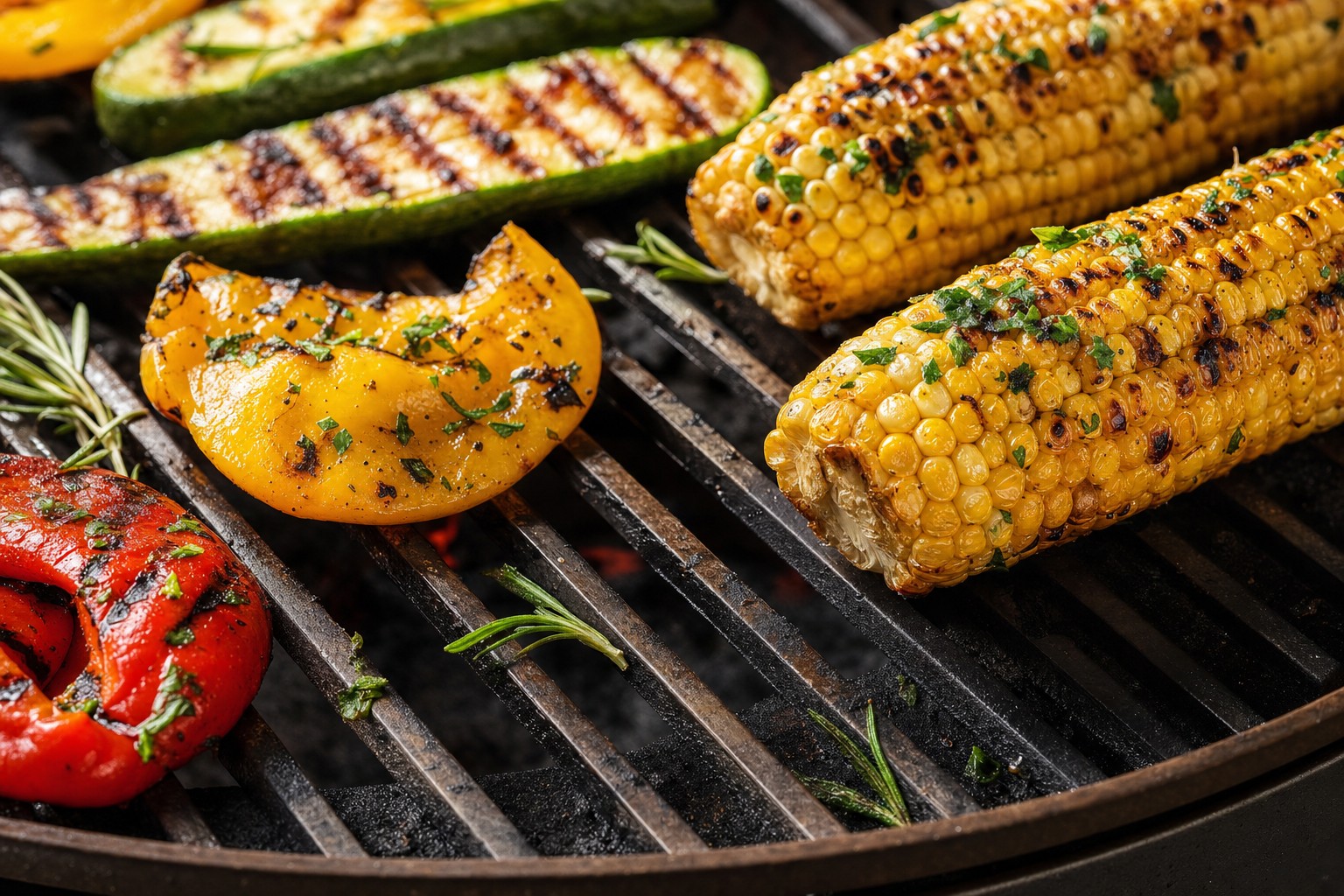
Example: When grilling vegetables, use stainless steel or porcelain-coated grates for even heat distribution and to prevent sticking.
Common Mistakes to Avoid
-
Skipping Preheat: Not preheating your grill can lead to uneven cooking and food sticking to the grates.
-
Neglecting Maintenance: Failing to clean and season your grates regularly can lead to rust and poor cooking performance.
-
Using the Wrong Tools: Avoid metal tools on porcelain or enamel-coated grates to prevent chipping.
Conclusion: Upgrade Your Grill Game
Choosing the right grill grate material is essential for unlocking the full potential of your BBQ. By understanding how different materials affect heat retention, flavor, and cooking performance, you can tailor your grilling approach to suit your needs and preferences. Whether you're a weekend warrior or a daily griller, investing in the right grate will elevate your cooking to new heights.
Call to Action: Ready to take your BBQ skills to the next level? Explore different grate materials and experiment with new techniques. Share your grilling adventures with us and see how the right equipment can transform your BBQ into a culinary masterpiece. Happy grilling!