Introduction: A Journey into the World of Tandoor Cooking
Embark on a culinary adventure that bridges the rich traditions of Indian tandoor cooking with the innovative spirit of European cuisine. The tandoor, a cylindrical clay or metal oven, has been a cornerstone of Indian culinary tradition for centuries. Its ability to infuse food with the primal allure of open flame and the delicate art of spice infusion has captivated chefs around the world. As European cooks seek to expand their gastronomic repertoire, adapting these ancient techniques to fit modern kitchens and climates offers a unique opportunity to explore new flavors and textures.
The Origins and Evolution of Tandoor Cooking
The tandoor's roots can be traced back to the Indus Valley Civilization around 3000 BCE, showcasing the ingenuity of early Indian societies. Initially crafted from clay and mud, these ovens were designed to reach temperatures as high as 480°C (900°F), creating a cooking environment that seared meats and baked breads with unparalleled flavor and texture. Over the centuries, the use of tandoors spread across the Indian subcontinent, evolving with regional tastes and becoming a culinary staple by the time of the Mughal Empire in the 16th century.
From Ancient Hearths to Modern Grills
The cultural significance of the tandoor extends beyond India, influencing Middle Eastern and Central Asian cuisines, where similar clay ovens are used. Each culture has adapted the tandoor's basic principles to suit local ingredients and tastes, creating a rich tapestry of grilled flavors. In Europe, modern adaptations involve understanding these historical foundations and leveraging contemporary equipment such as ceramic grills or electric tandoor ovens to recreate authentic flavors.
The Science Behind Tandoor Cooking: Heat Dynamics and Flavor Infusion
Tandoor cooking is renowned for its ability to impart a unique flavor and texture to food, a process deeply rooted in its scientific principles. The high temperatures of a tandoor, often reaching between 480°C to 500°C (896°F to 932°F), are crucial for achieving the signature char and smoky flavor associated with tandoor-cooked dishes. The clay walls of the tandoor absorb and retain heat, allowing for consistent and even cooking, while the porous nature of clay creates a humid environment that maintains the juiciness of meats.
Flavor Infusion Through High Heat
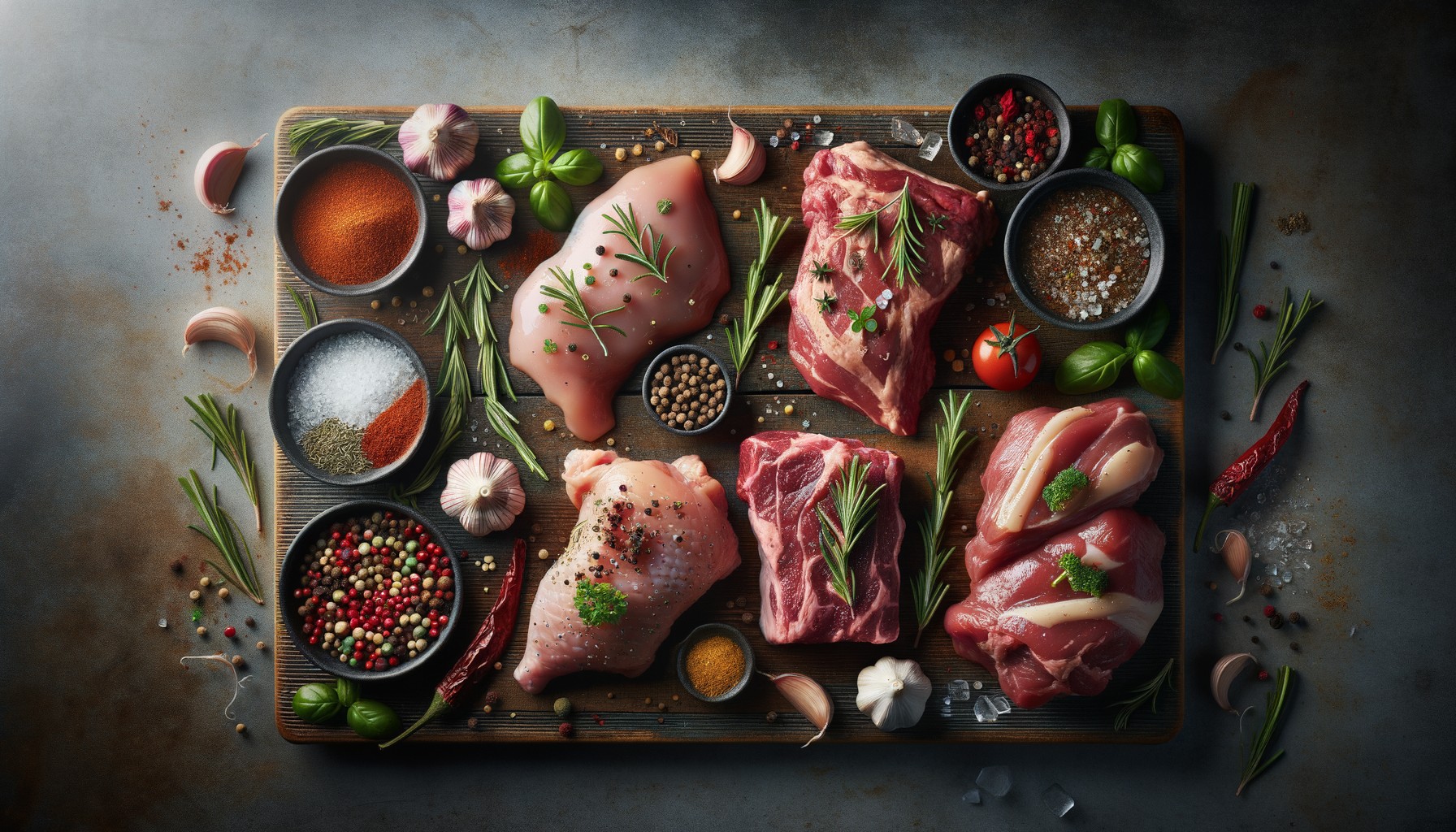
The intense heat caramelizes the sugars in marinades, creating a depth of flavor that is both smoky and slightly sweet. Using a mix of yogurt, spices, and herbs in marinades is essential for tenderizing the meat and infusing it with rich flavors. To replicate this in a European kitchen, use a high-temperature grill or oven, preheating it to at least 250°C (482°F) and ensuring the meat is well-marinated.
Mastering Tandoor Techniques with European Equipment
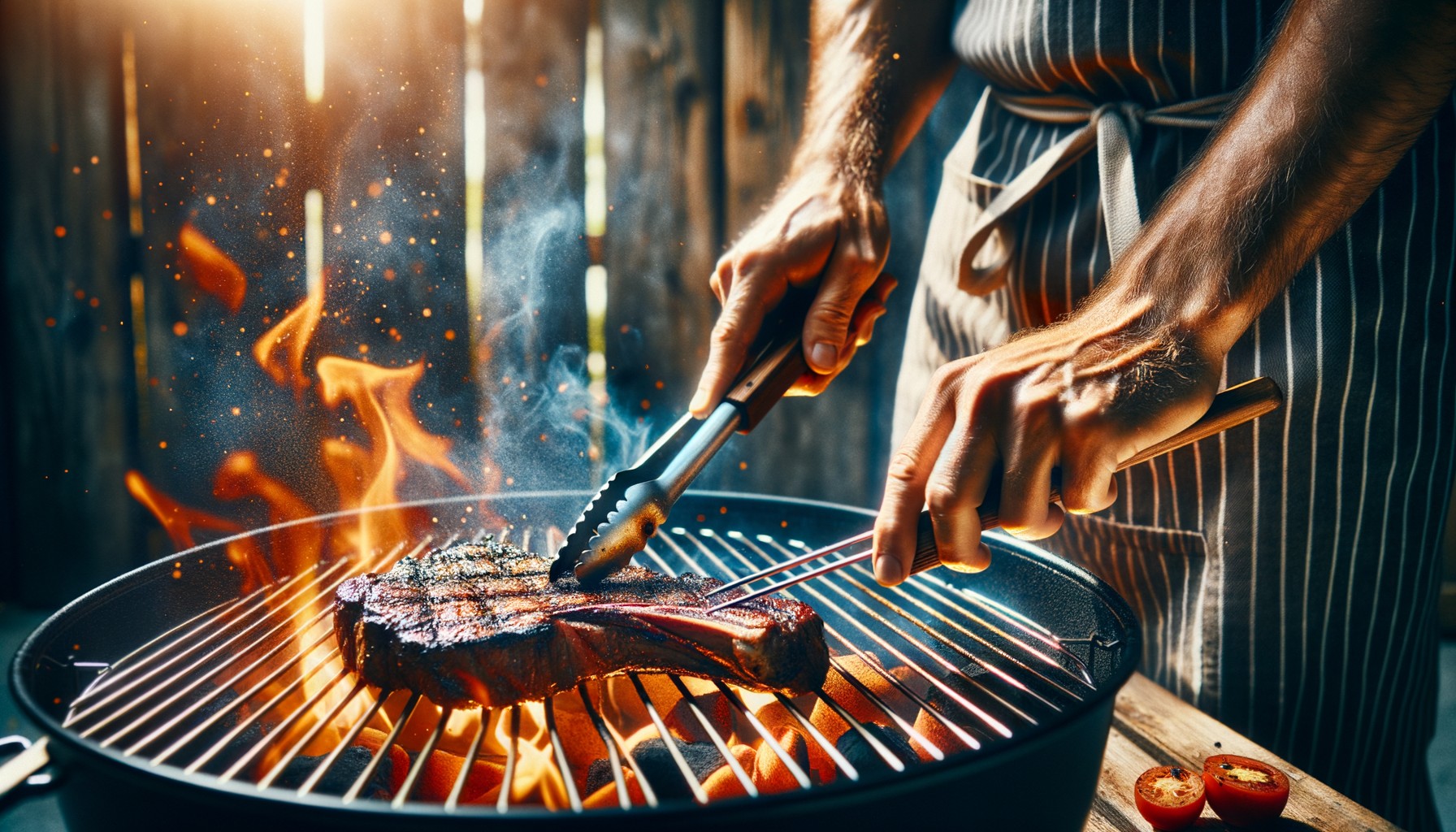
Replicating the traditional tandoor experience in European kitchens involves creative adaptations of equipment and techniques. European ovens, particularly those with convection capabilities, can mimic the high-heat environment of a tandoor. Preheating your oven to the highest possible setting and using a pizza stone or unglazed ceramic tiles can help radiate heat evenly, much like the clay walls of a tandoor. Outdoor grills and smokers offer another avenue, with charcoal grills providing a two-zone setup for initial searing and thorough cooking.
Adjustments for Climate Differences
European climates, often cooler and less dry than Indian environments, require adjustments in cooking times and moisture management. Longer marination times can help retain moisture, and lightly misting breads with water before cooking can replicate the humid conditions of a traditional tandoor. Rotate food items periodically to ensure even exposure to heat, and consider using yogurt-based marinades to tenderize and retain moisture.
Incorporating Traditional Tandoor Flavors into Modern European Cuisine
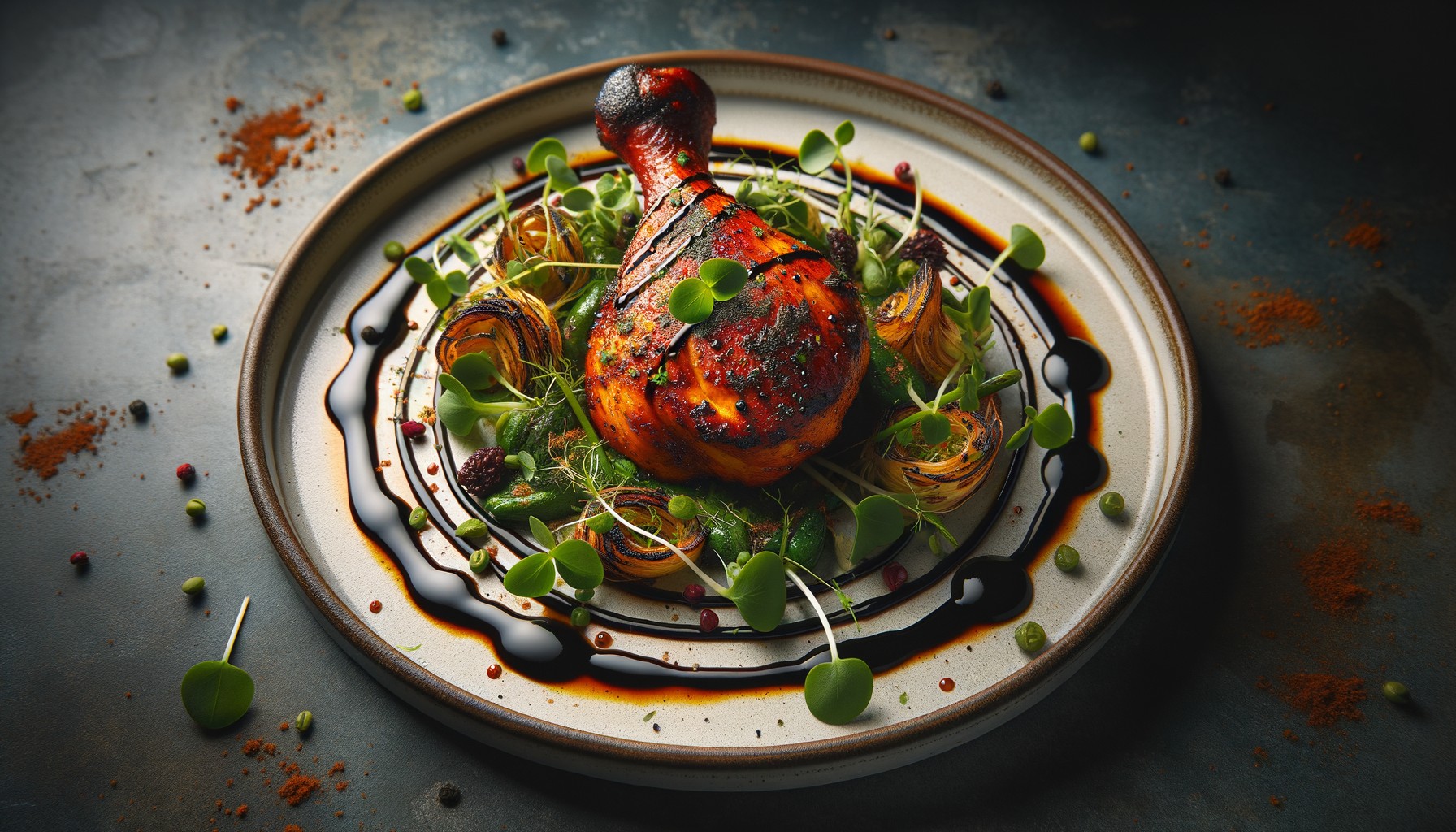
Infusing traditional tandoor flavors into modern European cuisine involves a careful blend of spices and innovative recipes. The essence of tandoor flavors is captured through spices such as cumin, coriander, turmeric, and garam masala, often combined with yogurt to create a marinade that tenderizes the meat and infuses it with rich flavor. For a European twist, consider using these spices with traditional ingredients like lamb or vegetables commonly found in European dishes.
Fusion Recipes for Flavor Blending
Creating fusion recipes that blend Indian and European flavors is an exciting venture. Start with a simple yet flavorful Tandoori-Spiced Grilled Salmon paired with a classic European side. Coat salmon fillets with the tandoori marinade and grill them at 180°C for about 15-20 minutes. Serve with a dill and cucumber salad to complement the spicy richness of the salmon.
Conclusion: Embrace the Tandoor Experience in Your Kitchen
Embracing the art of tandoor cooking allows European grilling enthusiasts to embark on a culinary journey that bridges continents and cultures. By understanding the science behind these techniques and adapting them to modern equipment, anyone can recreate the deep, smoky flavors of the tandoor in their own kitchen. Experiment with different marinades, spices, and cooking times to find your perfect fusion of traditional and modern flavors. As you master these skills, you'll not only appreciate the cultural heritage of Indian cuisine but also elevate your grilling repertoire.