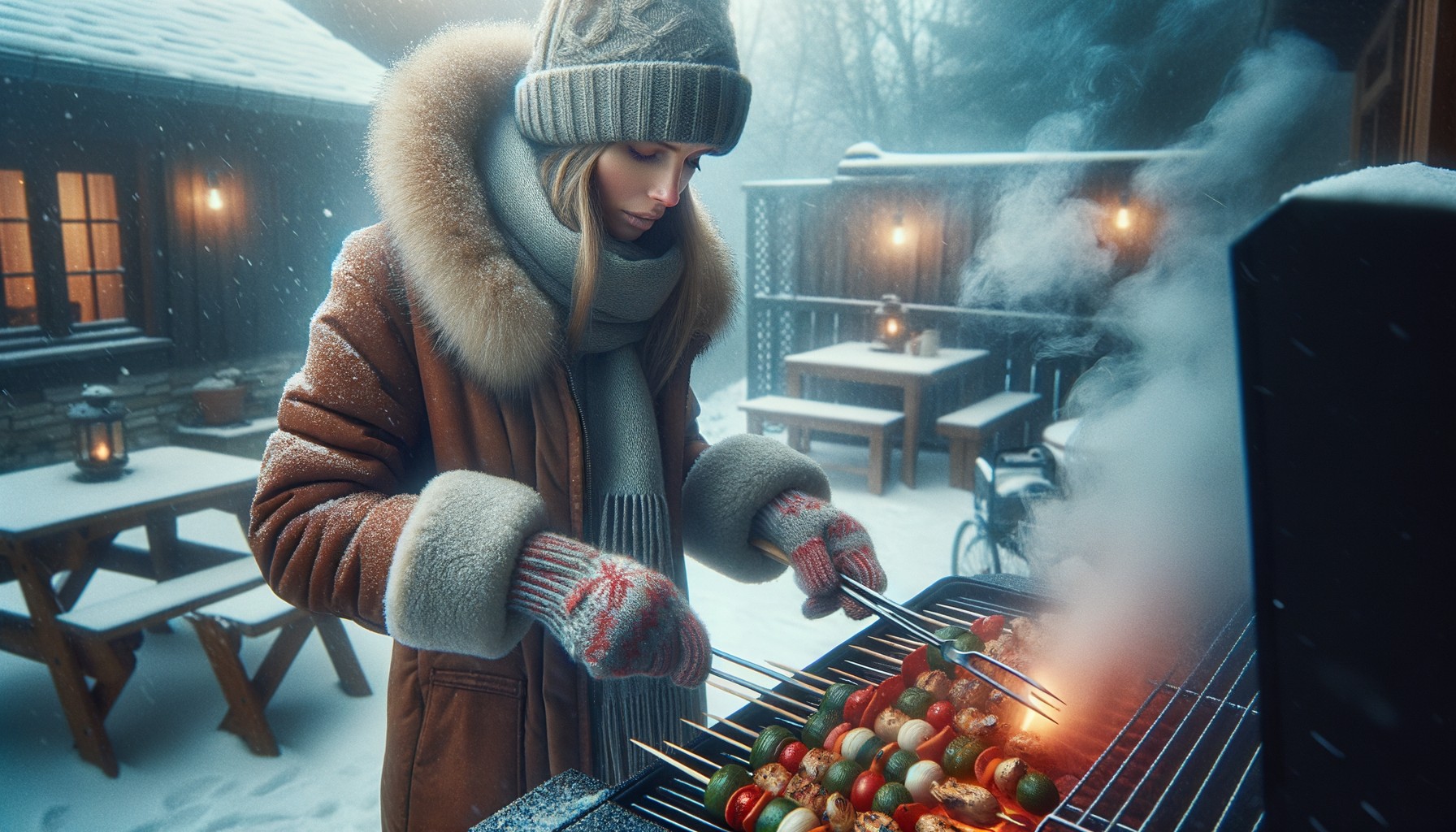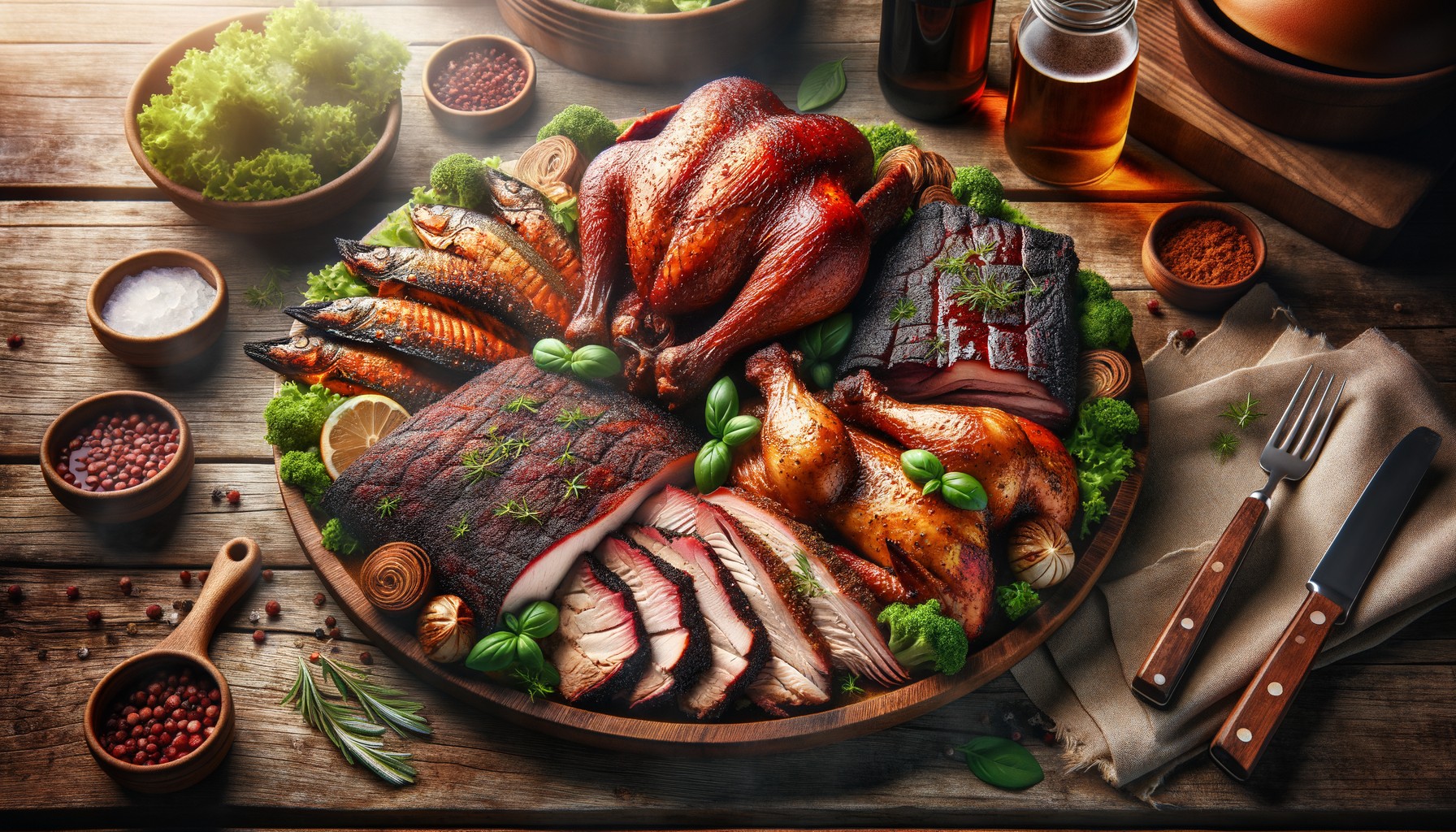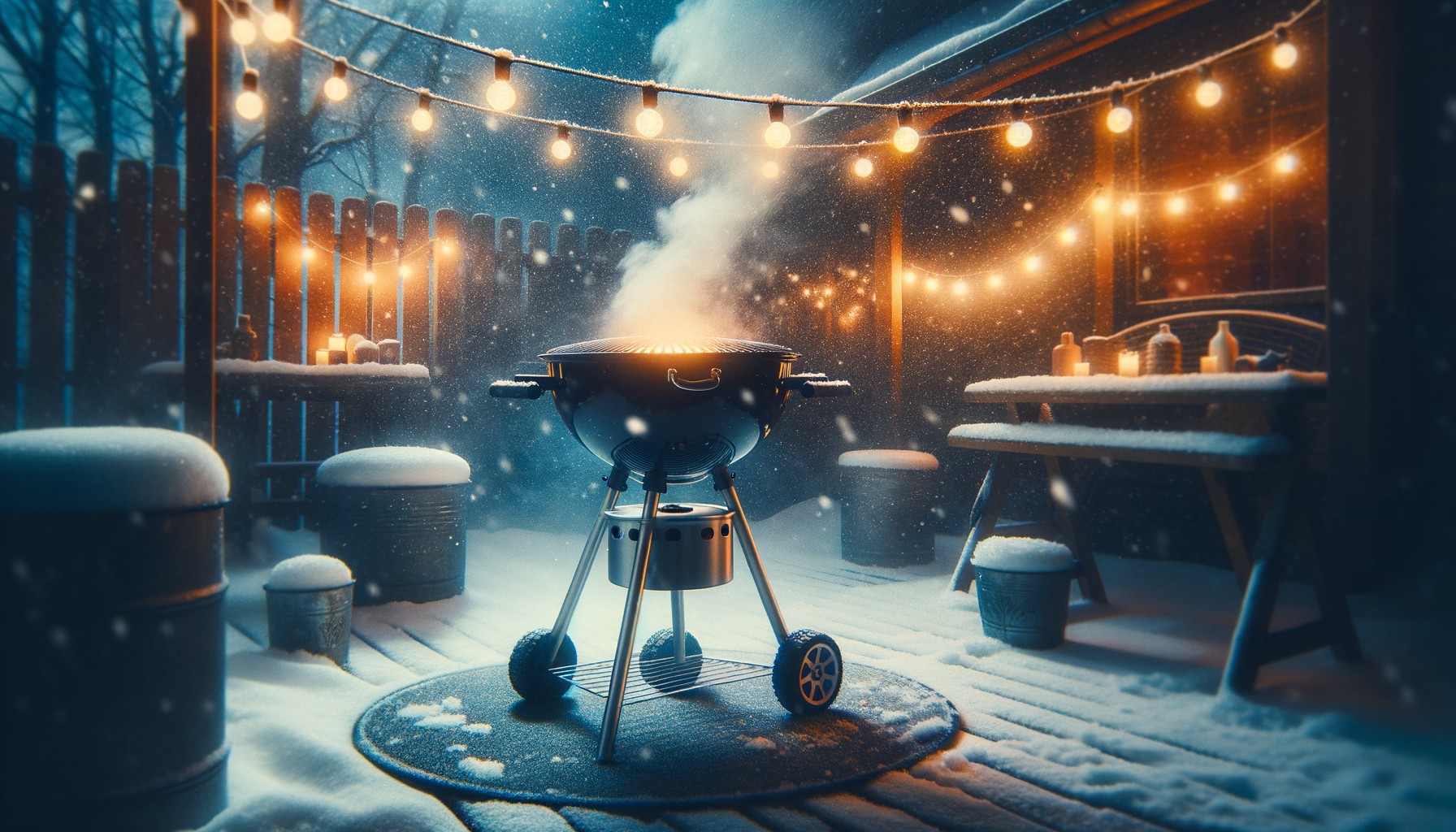
Summer is the perfect time to fire up the grill and enjoy the great outdoors with family and friends. The sizzle of burgers, the aroma of grilled veggies, and the joy of a backyard gathering make for memorable moments. However, ensuring your BBQ season is safe is just as important as making it enjoyable. This guide will walk you through essential tips on grill placement, fire management, and food safety, so you can have a worry-free summer of grilling.
Choosing the Right Grill Location
Safe Distances
One of the first steps to a safe BBQ is selecting a proper location for your grill. It's crucial to place your grill at least 10 feet away from your house, garage, or any flammable structures. This distance helps prevent accidental fires and provides ample space for smoke to disperse.
Avoid Overhangs
Never set up your grill under overhangs, low-hanging branches, or inside a garage or enclosed area. Not only does this pose a fire hazard, but it also traps carbon monoxide, which can be deadly. Always grill in a well-ventilated area.
Stable Surface
Ensure your grill is on a stable, flat surface to prevent tipping. Uneven ground can cause grills to topple over, especially if bumped or moved. If you're using a charcoal grill, this could lead to hot coals spilling out, creating a fire hazard.
Mastering Fire Management
Gas Grill Precautions
Before lighting up a gas grill, always check the propane tank for leaks. A simple soap and water mixture applied to the hose can reveal any escaping gas through bubbling. If you notice bubbles, it's time to replace the hose or tank before using the grill.
Charcoal Grill Techniques
When using a charcoal grill, avoid using lighter fluid as it can cause dangerous flare-ups. Instead, opt for a chimney starter to ignite your coals. It’s safer and helps achieve a more even burn.
Controlling Flare-ups
Flare-ups can happen when fat drips onto the flames. To manage this, keep a spray bottle of water nearby to quickly douse small flames. Additionally, trim excess fat from meats before grilling and use drip pans to catch grease.
Ensuring Food Safety
Proper Cooking Temperatures
Cooking meat to the right temperature is vital for food safety. Use a meat thermometer to ensure meats reach the following safe internal temperatures:
- Chicken: 165°F (74°C)
- Beef, pork, lamb: 145°F (63°C)
- Ground meats: 160°F (71°C)
Preventing Cross-Contamination
Avoid cross-contamination by using separate utensils and plates for raw and cooked foods. After handling raw meat, wash your hands thoroughly with soap and water. Clean grill grates before and after use to remove any residue that can harbor bacteria.
Safe Food Storage
Keep perishable foods like salads and meats in a cooler with plenty of ice until they're ready to be cooked or served. Perishable items should not sit out for more than two hours, or one hour if the temperature is above 90°F (32°C).
Common Mistakes to Avoid
Ignoring Maintenance
Regularly inspect your grill for signs of wear and tear. Check grill grates for rust or damage, and replace any faulty parts. A well-maintained grill is not only safer but also more efficient.
Skipping Safety Equipment
Never forget to have a fire extinguisher nearby. It should be easily accessible in case of an emergency. Fire-resistant gloves and a long-handled spatula are also recommended to protect yourself from burns.
Leaving the Grill Unattended
Never leave a lit grill unattended. Fires can escalate quickly, and having someone nearby ensures any issues can be addressed immediately. If you need to step away, ask someone to keep an eye on things for you.
Conclusion
With these tips, you're well on your way to a safe and enjoyable grilling season. Remember, safety comes first, so take the time to prepare properly before you light up the grill. Ready to put these tips into action? Invite some friends over, fire up that grill, and enjoy a delicious and safe BBQ season!
If you found these tips helpful, share this article with fellow BBQ enthusiasts and help spread the word on safe grilling practices. Happy grilling!